Acid Pickling Roll Market: Strategic Insights into Market Segmentation and Competitive Landscape
Introduction
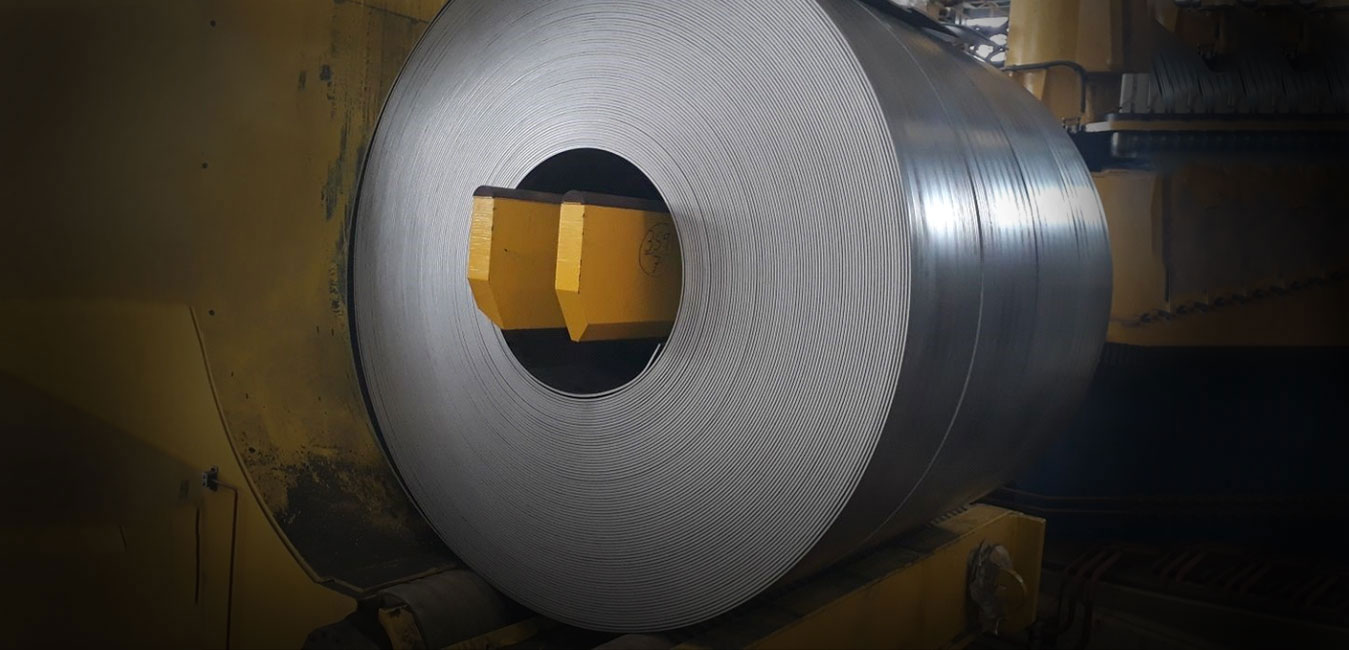
Acid pickling rolls are an important part of the steel manufacturing process. They are used to remove oxide scales and impurities from the surface of hot rolled steel strips or sheets before subsequent processing like cold rolling or galvanizing. This article discusses the various aspects of acid pickling rolls including their design, working, maintenance and importance in steel production.
Design of Acid Pickling Rolls
Acid pickling rolls are designed to withstand the harsh acidic environment while pickling steel strips or sheets. The rolls are usually made of high chrome steel alloy which offers excellent corrosion resistance against acids. The rolls have a cylindrical shape with a diameter ranging from 500mm to 2000mm depending on the width of the steel being processed. They are precision ground to ensure uniform contact and removal of scales from the entire steel surface. Journal and thrust bearings support the rolls which can rotate at speeds up to 1000 rpm for continuous strip processing. Cooling chambers inside the rolls dissipate the heat generated during rolling. Seal rings prevent acid leakage.
Working of Pickling Lines
In a typical acid pickling process, the hot rolled steel enters the pickling line after rolling. It passes between multiple pairs of upper and lower acid pickling rolls completely submerged in the acidic pickling solution. Commonly used acids are sulfuric acid and hydrochloric acid which chemically react with iron oxide scales on steel surface. The rotating rolls exert pressure on the strip and help in mechanical removal of loosened scales. Automatic tension control maintains an even feed rate. After pickling, rinse rolls remove residual acid before the steel exits the line in a scale-free state ready for downstream processing. Closed-loop recirculation systems reuse the pickling acid solution for cost savings and environmental protection.
Pickling Solutions
The composition of pickling solution varies depending on the type of scales to be removed. Sulfuric acid solution around 15-30% concentration is usually employed for bulk descaling of iron oxide. Addition of inhibitors prevents unwanted acid attack on steel base metal. For removal of particular oxide scales, special formulations containing inhibitors and auxiliary descaling agents form hydrochloric acid or ferrous chloride solutions may be used. Online analytical equipment constantly monitors parameters like acid concentration and iron content to ensure solution effectiveness is maintained throughout the process.
Maintenance of Pickling Lines
Proper maintenance is crucial for trouble-free operation and long service life of acid pickling lines. The rolls require regular cleaning to remove built-up iron deposits. Hydraulic lifting systems allow access for manual cleaning or mechanical grit blasting when required. Roll journals and bearings receive scheduled lubrication. Entire pickling bath including pipes and recirculation pumps undergo cleaning and acid refilling to deal with sludge build up. Process instrumentation like temperature sensors and flow meters need calibration. Automation systems get upgrades to latest software versions. Planned shutdowns incorporate roll changes, bearing replacements and refurbishment of roll housing, hydraulic and seal components.
Importance of Acid Pickling
Acid pickling serves several key purposes in modern steel production. It ensures excellent adhesion of coatings like zinc, tin or aluminum during downstream galvanizing or tinplating by eliminating oxides from steel surface. Pickling improves formability and weldability properties of steel essential for stamping, bending, forming or joining applications. Ultra-clean steel is required as input for cold rolling mills to manufacture thinner and brighter finished products like steel sheets, foils and wires. Removal of scales enhances paintability and corrosion resistance of pre-coated or post-coated steel used in construction, automotive and appliances sectors. Overall, acid pickling leads to improved steel quality, greater productivity and better surface finish, making it a indispensable process in integrated steel plants.
Automation and Process Control
Advanced automation and process control systems have been introduced in modern acid pickling lines for higher throughput, repeatability and operating efficiency. PLC-based logic controllers automate operational functions like tension control, speed synchronization between rolls and drives. Distributed control systems centrally monitor and regulate critical parameters such as acid concentration, temperature and steel run-out quality on a continuous basis. Operations personals supervise entire pickle heat from control rooms. IIoT enabling technologies provide online equipment condition monitoring and predictive maintenance capabilities. Machine learning algorithms deployed for processes like acid regeneration are helping reduce consumables usage and optimize process recipes. Overall, state-of-the-art automation ensures consistent, high pickle qualityeven during unmanned operations.
Environmental Considerations
Generation and handling of hazardous acidic effluents is an environmental concern for iron and steel industry. Advancements in acid pickling roll process aim at minimizing fresh acid consumption and waste generation. Closed loop electrolytic systems for regeneration and partial reuse of spent pickling acids from sludge separation are gaining popularity. Techniques like reverse pulse plating helps boost acid recovery rates. Rinsing systems utilize minimally water countercurrent rinses to reduce water usage. Fume extraction and treatment systems treat acid mist and acid gases before discharge. On-site effluent treatment plants neutralize and render wastewaters safe before discharge or recycling within premises. adoption of cleaner production methods makes pickle lines more sustainable adhering to global pollution norms.
Conclusion
Acid pickling plays a critical upstream role in steel production chain. Continous advancements to pickle line designs, automation and process control have significantly improved product quality and productivity. Adherence to strict maintenance schedules is vital for optimum performance of corrosion resistant rolls, baths and auxiliary equipment. Latest environmental protection measures enable sustainable acid regeneration and effluent handling. Overall, acid pickling ensures highest standards of surface cleanliness paving way for superior applications of downstream processed steel sheets and coils.
Comments
Post a Comment