Advanced Energy Storage Systems Market: Evaluating the Impact of Policy and Regulatory Frameworks on Market Growth
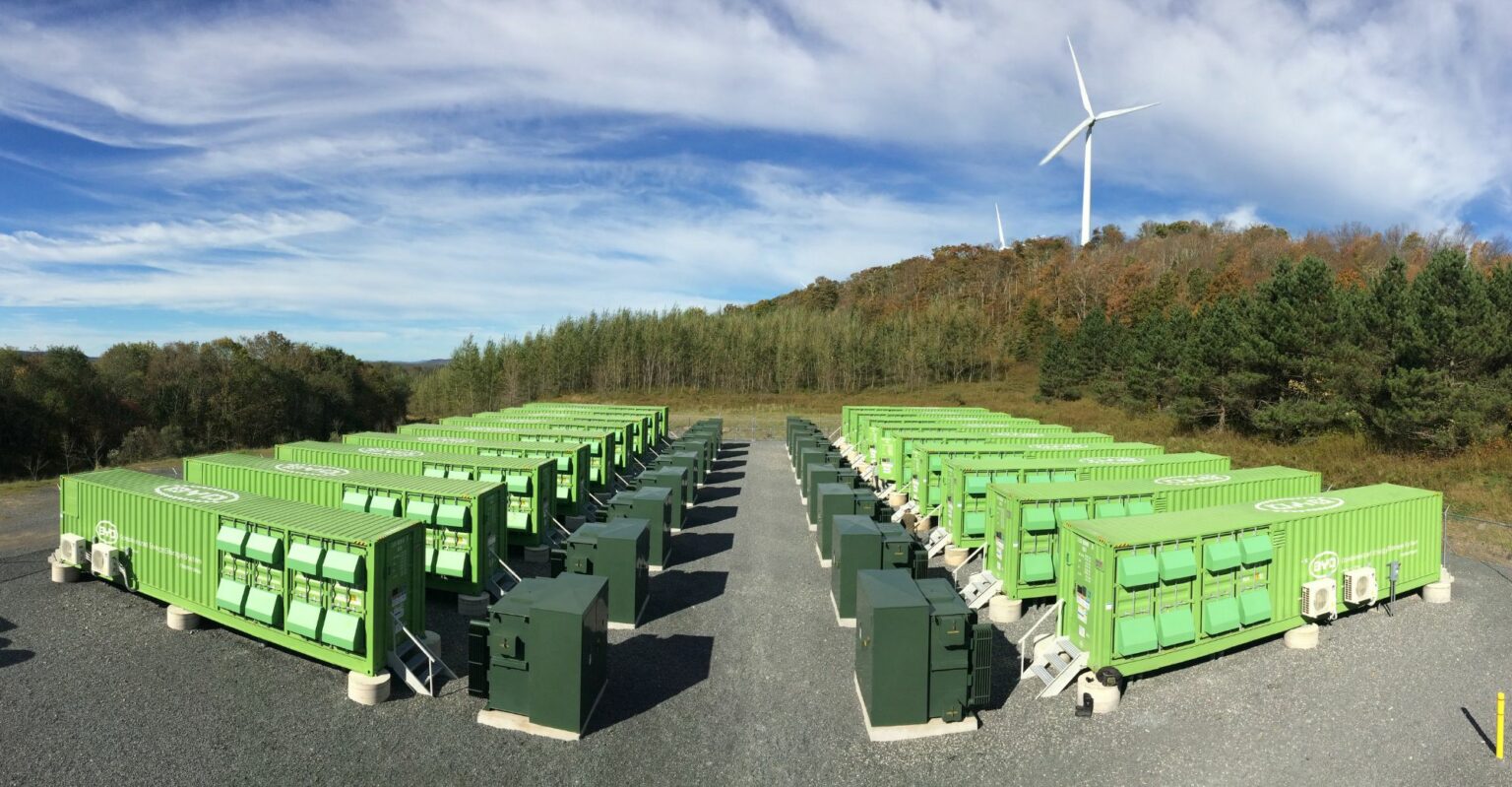
Advanced Energy Storage: The Future of Power Generation and Consumption
Introduction
The global demand for energy is rising steadily with rapid urbanization and growth in population. While renewable sources of energy like solar and wind offer sustainable alternatives to fossil fuels, their intermittent nature poses serious challenges. To efficiently utilize renewable energy resources and also ensure continuous power supply, advanced energy storage systems have become a necessity. Energy storage technologies not only make renewable energy more reliable but also optimize power distribution from conventional power plants. This article discusses some of the most promising advanced energy storage systems technologies that are paving the way for a sustainable energy future.
Batteries
Batteries have emerged as one of the go-to solutions for both small and large-scale energy storage applications. Continuous technological advancements are making batteries more efficient, durable and affordable.
Lithium-ion Batteries
Lithium-ion batteries are currently the most widely used rechargeable battery technology across various consumer electronics as well as electric vehicles. Their high energy density makes them very suitable for mobile and transportation applications. Researchers are working on developing lithium-ion batteries with higher energy densities, longer lifespans and reduced costs through new cathode and anode materials as well as electrolyte formulations. Mass production of lithium-ion batteries is bringing down costs significantly.
Solid-state Batteries
One of the most promising next-generation battery technologies is solid-state batteries which replace the conventional liquid electrolytes with solid electrolytes. This offers several benefits like higher energy densities, improved safety as solid electrolytes are non-flammable and longer battery lifetimes. Several companies are aggressively pursuing solid-state lithium batteries for commercialization in the coming years.
Flow Batteries
Flow batteries work by storing charged ions in external tanks instead of within the battery itself. This makes them highly scalable for applications ranging from small consumer devices to grid-scale electricity storage. Among various types of flow batteries, vanadium redox flow batteries and zinc-bromine flow batteries have shown commercial success in recent years. Flow batteries are very suitable for stabilizing intermittent renewables at the utility scale due to their flexibility.
Hydrogen Storage
Hydrogen has immense potential as an energy carrier due to its high energy density by mass. It can be produced from diverse resources including water through electrolysis powered by renewable energy. Some of the most effective ways to store hydrogen include:
- Compressed Hydrogen Gas Storage: Hydrogen can be stored safely as a compressed gas in high-pressure tanks for usage in vehicles and other mobile applications.
- Liquid Hydrogen Storage: Storing hydrogen in its liquid form allows for higher density but requires cryogenic temperatures and extensive insulation. It is mainly used for transportation over long distances via pipelines and ships.
- Metal Hydride Storage: Certain alloys can absorb hydrogen atoms into their crystalline structure, offering an effective solid-state method for hydrogen storage. Research continues on developing improved hydride materials.
- Underground Storage: Depleted oil/gas fields and salt caverns deep underground provide large-scale seasonal storage of hydrogen, either as a compressed or liquid form. This is integral for managing seasonal or long-term surpluses from renewables.
Thermal Energy Storage
Thermal energy storage systems play a pivotal role in optimizing various thermal power generation techniques by enabling storage of heat or coolness for later usage. Some widely used systems include:
- Sensible Heat Storage: Common storage mediums include water, molten salts, rocks and phase change materials (PCMs). The storage medium is heated/cooled to utilize its heat storage capabilities by temperature change without phase change.
- Latent Heat Storage: Substances like paraffin wax and water are used as PCMs to efficiently store and release energy during their phase transition from solid to liquid or vice versa. With high storage densities, PCM-based systems are well suited for storage at residential and commercial scales.
- Thermochemical Storage: Endothermic/exothermic chemical reactions allow highly efficient storage in chemical bonds by breaking/forming molecular bonds. Salts like calcium oxide offer very high storage densities making such systems ideal for utility-scale energy storage.
Long-term Challenges and Solutions
While tremendous progress has been made, there are still several technological and economic hurdles to make advanced energy storage ubiquitous. Some key challenges and potential solutions include:
- Cost Reduction: Mass production through economy of scale and R&D on low-cost materials can drive costs down for widespread commercialization. Incentives will accelerate technology adoption.
- Lifespan Improvement: Cycle life and calendar life needs to increase through technological/material innovations to lower long-term costs of ownership.
- Safety Enhancements: Safety aspects of high-energy-density technologies like solid-state batteries and hydrogen storage need more improvements.
- Standardization: Standard testing procedures and regulations will boost confidence and financing of new grid-scale energy storage projects.
- Reskilling Workforce: Educational programs and vocational training can develop skilled workforce for the growing advanced energy storage industry across applications.
With coordinated global efforts, many of these challenges can be overcome in the coming decade to accelerate the transition to an efficient renewable energy economy backed by affordable and dependable energy storage. Advanced technologies in this area will play a defining role in building a sustainable future.


Comments
Post a Comment