Anti-Corrosion Coatings Market: Strategies for Mitigating Corrosion in Harsh Environments
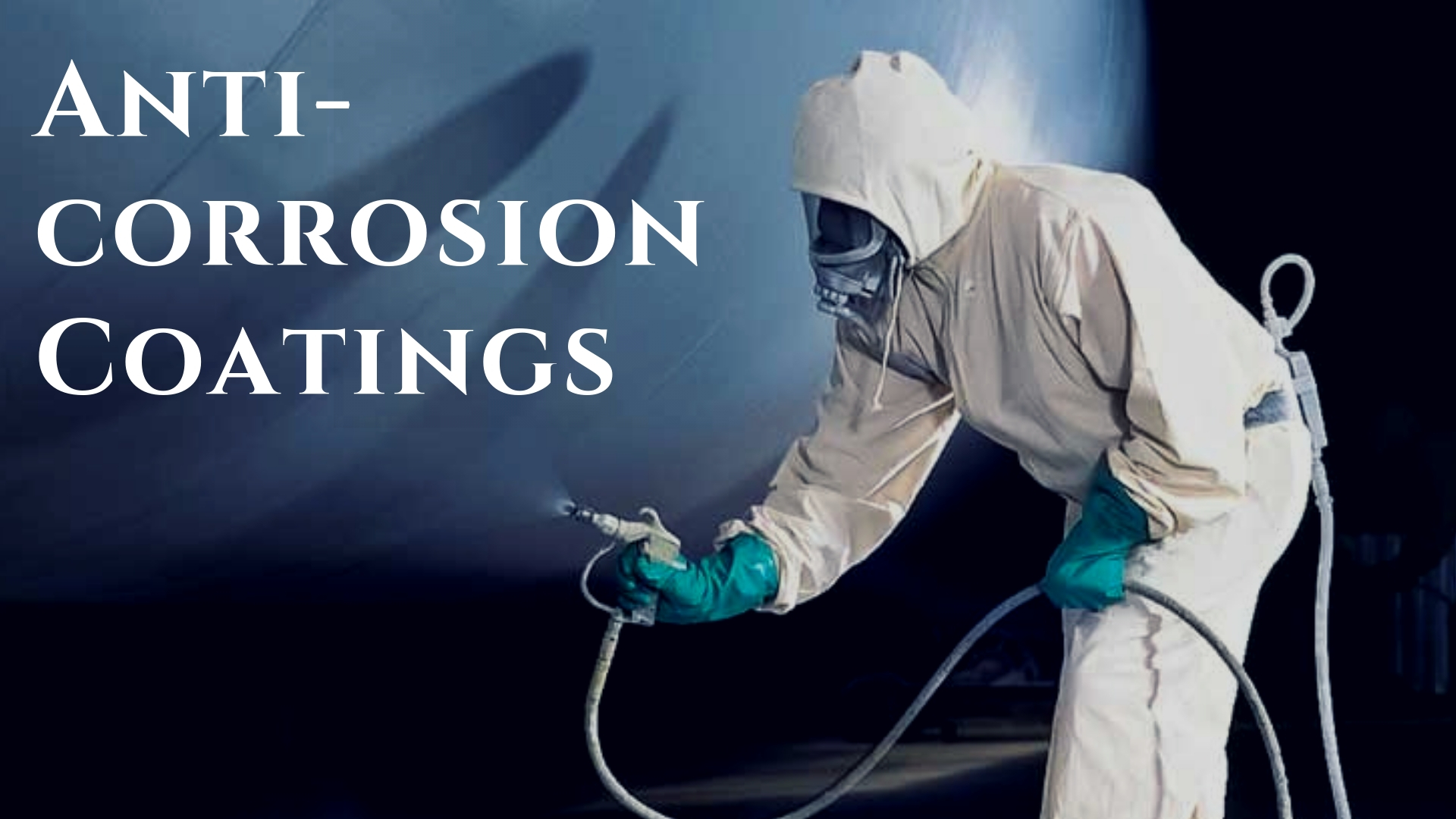
Anti-Corrosion Coatings: Protecting Metals from Degradation
Introduction
Corrosion causes billions of dollars in damage every year by degrading metals and other materials. To protect infrastructure, equipment, and other capital investments, anti-corrosion coatings play a vital role. These coatings form a protective barrier that isolates metals from corrosive environments. In this article, we will explore different types of anti-corrosion coatings, their applications and how they protect surfaces from degradation.
Traditional Coatings
For centuries, traditional coatings have been used to slow corrosion of metals. Some of the most common types still used today include:
Paints - Simple paint formulations provide a physical barrier to isolate metals. While not as durable as modern coatings, inexpensive paints are still widely applied for protection of structures, vehicles and equipment exposed to mild corrosive conditions.
Epoxy Coatings - Epoxy resins form very durable, chemically resistant coatings when cured. Reinforced with additives, epoxy coatings adhere strongly to surfaces and provide years of protection for equipment, floors, vessels and more. They are tolerant of moisture and excellent for embedded applications.
Polyurethane Coatings - Also offering good chemical resistance and adhesion, polyurethane coatings are flexible yet durable options. Variants are available for exposure to various corrosives like acids, alkalis or salts. Marine-grade polyurethanes protect vessels and offshore infrastructure from saltwater immersion.
While traditional coatings served industries well for decades, new technologies have improved performance characteristics to meet more demanding protection challenges.
Modern Coating Technologies
Advances in materials science have led to multiple newer coating types gaining popularity:
Epoxy Powder Coatings - Applying epoxy or polyester resin powders electrostatically, these coatings cure without solvents into durable, non-toxic finishes. The cured powder forms an impervious shell strongly adhered to surfaces like metal structures or equipment parts.
High-Build Epoxy Coatings - Thicker film-forming epoxies self-level to conceal surface imperfections under a continuous protective film. High-build epoxies insulate surfaces from corrosive elements for 10-15 years or more depending on environment.
Polysiloxane Coatings - These hybrid organic-silicon coatings cures to form a highly cross-linked network with exceptional flexural strength and hydrophobicity. Polysiloxane performs well immersed in water, acids or alkalis and resists thermal or mechanical stresses.
Polymer- and Ceramic-Based Coatings - Other advanced technologies inorganic-filled polymers, plasma-sprayed ceramics or sol-gel applied inorganic matrices provide heightened barriers against chemical attack, heat or abrasion. Such coatings find niche applications for extremely aggressive conditions.
Custom formulations continue expanding coating capabilities to protect diverse metallic substrates facing increasingly problematic corrosive exposures. New material combinations address specific corrosion mitigation challenges.
Applications of Anti-corrosion Coatings
Coatings guard infrastructure, transportation assets, processing equipment and more from corrosion damage through targeted formulations:
Infrastructure - Bridges, pipelines, offshore platforms require maintenance-free protection for decades. High-build epoxies or advanced powder and liquid applied systems extend asset lifespan significantly.
Energy - Corrosion causes unplanned outages costing billions annually. Coatings inside refineries, power plants or on wind turbines see extensive use to safeguard production reliability.
Marine - Harsh ocean environments necessitate specialist coating technologies. Polysiloxanes, advanced epoxies or hybrid ceramics shield ship hulls and offshore structures effectively.
Transportation - Automotive, aircraft and rail coating innovations protect structural integrity while meeting strict regulatory criteria for durability, emissions and recyclability.
Chemical Processing - Aggressive chemical exposures in industries like oil & gas, pharma or pulp & paper demand high-performance barrier coatings enabling operational safety.
Coatings Selection and Quality Assurance
Effective corrosion protection depends on selecting the right coating system for each application environment through:
Surface Preparation - Proper cleaning and profile adjustment ensures coating adhesion to treated metallic, concrete or other substrates.
Primer Selection - Compatible primers promote coating curing and fortify corrosion resistance at interfaces.
Topcoat Chemistry - Formulations precisely match the immersion/exposure conditions anticipated.
Application Method - Methods like spray, brush, powder ensure specified dry film thicknesses and uniform coverage.
Curing Conditions - Temperature and time during curing influence coating properties and performance.
Inspection - Quality assurance procedures verify specified properties, thickness and integrity before commissioning coated assets.
Monitoring - Periodic inspections track coating condition, allowing remediation before damage occurs from corrosion beneath any defects.
Conclusion
Anti-corrosion coatings developed through applied materials science research enable protection of infrastructure, capital equipment and transportation assets from degradation. Continued coating innovation addressing more challenging corrosion problems sustains industry productivity and safety worldwide. Selecting the most suitable coating system lays the foundation for maximal extended asset life through corrosion mitigation.
Comments
Post a Comment