Geomembrane Market Size and Share Analysis: Understanding the Impact of Environmental Regulations and Infrastructure Development
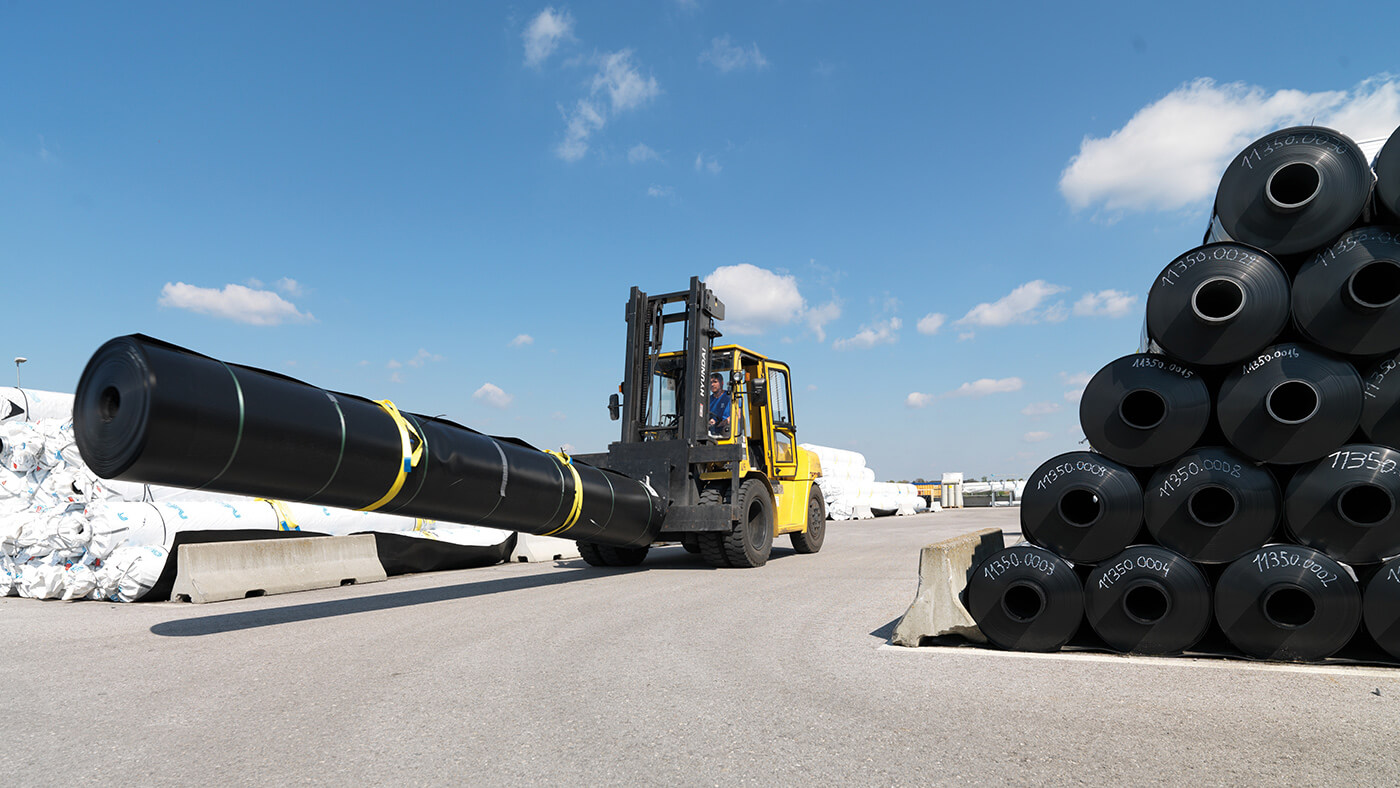
Geomembrane is essentially impermeable membrane liners or barriers made of high-density polyethylene (HDPE) used in construction for various engineering purposes. It is largely used in containing hazardous and non-hazardous waste in landfills and minimizing the leakage of waste into the environment. The product offers excellent chemical and thermal resistance, durability, and structural strength. Owing to its ability to provide effective sealing and water resistance, geomembrane finds widespread applications in waste management, water containment, infrastructure development, mining operations, and reservoir or canal lining. The Global geomembrane market is estimated to be valued at US$ 2,215.3 Million in 2024 and is expected to exhibit a CAGR of 5.6% over the forecast period from 2024 to 2031.
Key Takeaways
Key players operating in the geomembrane market are Groupe Solmax, NAUE Group, AGRU America, Inc., Carlisle SynTec Systems, Sotrafa S.A., Atarfil, Alpharetta, TDM Group, Aquatan, RAVEN, and others. Groupe Solmax is one of the leading producers of geosynthetic materials including geomembrane. NAUE Group provides HDPE and LLDPE geomembrane liners and products.
The key opportunities in the geomembrane market include growing investments in mining and infrastructure activities across developing nations and increasing application of geomembranes in emerging waste management practices. Moreover, rising adoption of innovative recycling methods using geomembranes provides growth prospects.
Globally, the geomembrane market is anticipated to witness expansion in regions like Asia Pacific and Middle East & Africa owing to the rapid industrialization and infrastructure development activities. North America and Europe will continue dominating with major players expanding their presence and through partnerships with regional distributors and suppliers.
Market drivers and restrain
The rising demand from the waste management industry is a key driver as geomembranes are extensively used as landfill liners to prevent waste leakage into soil and groundwater. They help increase the lifespan of landfill sites thereby providing effective waste disposal solutions. Further, growing construction activities along with stringent environmental regulations regarding waste handling also augment the demand for geomembranes.
However, the highcost of HDPE geomembranes limits their adoption in price-sensitive regions. Availability of alternative products and dependency on crude oil prices for raw materials also act as restraints on the market growth. Nevertheless, ongoing R&D towards developing cost-effective and sustainable geomembrane solutions is anticipated to boost demand in the coming years.
Segment Analysis
The geomembrane market is dominated by the HDPE (high-density polyethylene) sub-segment. HDPE accounts for over 60% of the total geomembrane market share as it offers superior chemical and mechanical resistance as compared to other materials like LLDPE and PVC. HDPE geomembranes can withstand temperature variations without cracking or delamination and provide effective barrier against liquid migration. Their resistance to degradation when exposed to sun light, water, chemical reagents and micro-organisms has made HDPE geomembranes the preferred choice for landfill liners and lining applications in mining industries.
Global Analysis
North America dominates the global geomembrane market with the largest share. Rising environmental regulations regarding waste management and landfill operations in the U.S. and Canada is driving the growth of geomembrane market in the region. The region witnesses significant spending on upgrading aging landfills and developing new landfill sites with environmental protection layers, thus propelling the geomembrane consumption. Asia Pacific region is expected to witness the fastest growth during the forecast period owing to increasing industrial activities and infrastructure development projects in countries like China and India. Rapid urbanization and growing construction of landfills, waste containment and mining sites in developing nations will further augment the regional market in the coming years.


Comments
Post a Comment