Ski Gear and Equipment Market: Evaluating Sustainable Practices and Eco-Friendly Solutions in Snow Sports Equipment
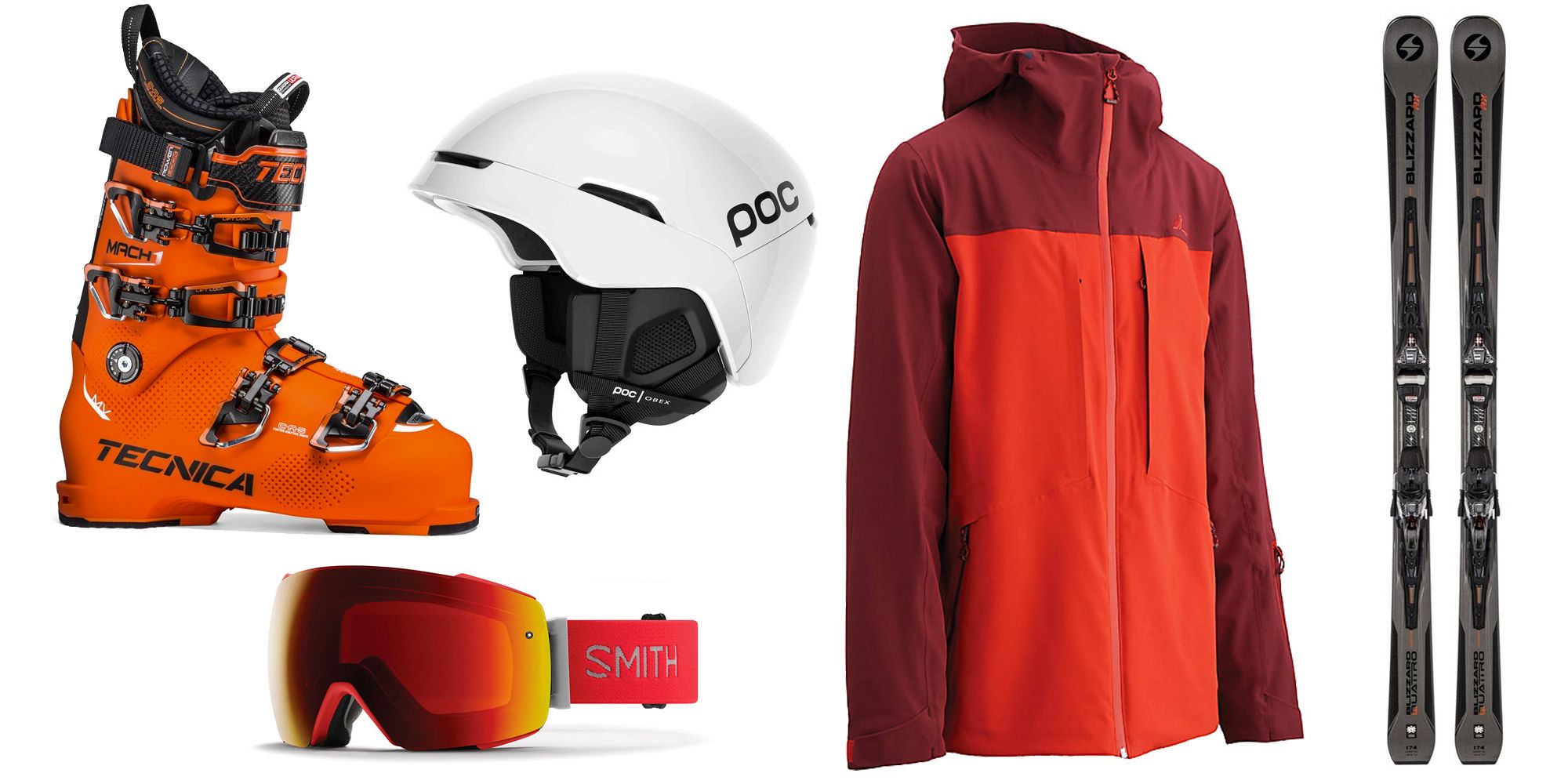
Skis and Bindings
Choosing the Right Skis
The very first and most important equipment for skiing is the skis. When buying skis, there are a few key factors to consider - your height, weight, skiing ability and terrain. For beginners, all-mountain skis between 170-180cm are a good choice as they are versatile for most conditions. As your skills improve, you may want to consider specialty skis suited for certain types of terrain like powder or carving. The sidecut radius and sidewall construction of the ski determines how it will perform. Wider skis with shallow sidecuts are better for powder skiing while narrower skis with deep sidecuts carve better on groomers.
Bindings to Match Your Boots
Bindings are what connect your boots to the skis. They need to be compatible with the DIN settings on your boots to ensure proper retention and release in case of a fall. Most bindings have adjustable DIN settings that need to be set correctly based on your weight, height and ability level. Make sure to visit a reputable ski shop to get your bindings properly mounted and adjusted. Side-release bindings are suitable for beginners while three-pin alpine bindings are preferable as skills progress.
Boots
Boot Fit is Crucial: Comfortable, well-fitting boots are essential for enjoyment of the sport. Boots that are too tight or loose can cause foot, ankle or knee pain. When boot shopping, get fitted by a knowledgeable boot fitter who will measure your feet and make recommendations. Ski boots pack out slightly over time so consider sizing down half to a full size from your regular shoe size. Warm boots usually mold better to feet than cold boots. Make sure to buy boots early enough to allow break-in time before trips.
Stiffer Boots for Control: Flex ratings indicate how stiff or soft the boot is. Typically, harder snow boots provide more power transfer and control. Beginners can start with flex ratings between 70-90 while advanced skiers prefer stiffer boots over 100 flex. Retain the boot insert liners in warm weather as molded liners provide crucial support. Replace boots every 2-3 seasons as plastic shells compress permanently over time.
Layers and Outerwear
Base Layers Matter
Synthetic or wool base layers are quintessential for wicking away moisture from the skin to keep you dry. Thermal underwear tops and bottoms trap body heat for warmth without being bulky. Many base layers now come infused with odor-resistant technologies too. Go for long underwear rather than shorts to protect your legs from the elements.
Insulated Jacket and Pants
A breathable, waterproof and fully insulated ski jacket is a daily essential. Look for features like adjustable vents, convenient pockets and a powder skirt. Fleece-lined pants and insulated ski bibs block wind and moisture. Make sure your jacket and pants are actually waterproof not just water resistant through a taped seam construction. Consider buying splash pants to wear over your regular pants for added protection when skiing in wet conditions.
Accessories Complete the Outerwear
Gloves and Mittens
Waterproof, insulated gloves or mittens protect your hands in freezing temperatures. Look for features like removable liner gloves for adjusting insulation. Don't forget spare pairs to swap out when wet gloves start to freeze!
Helmets for Safety
A ski or snowboard helmet protects your head and brain in case of collisions with hard surfaces like rocks or trees. Full-cut helmets provide coverage of the forehead, ears and back of the head. Make sure your helmet fits snugly but comfortably. Certified helmets display safety certifications like ASTM.
Goggles Shield Vision
Good quality goggles shield your eyes from glare, wind and debris letting you see clearly on the slopes. Look for 100% UV protection, anti-fog coatings and interchangeable lenses for different light conditions. Wide peripheral vision is preferable for situational awareness. Don't forget goggle sprays and cloths to keep lenses clear!
Poles for Balance and Fun
Ski poles strengthen your upper body, improve balance and increase safety when traversing falls. Adjustable straps allow for sizing poles to the skier's arm length. Carbon or aluminum shafts save weight over wooden poles. Shock absorbing designs reduce vibration impact on the body.
Backpacks and Bags
A ski backpack fits all essential gear for a full day out on the mountain. Features like padded shoulder straps, hydration sleeves and goggle pockets improve usability. Duffel bags haul dirty clothes back and forth to the lodge. Ski/snowboard carrying bags protect rental equipment for car transport.
Conclusion
With the right ski gear and equipment optimized for your ability and needs, you can enjoy memorable days out on the snow. Pay close attention to fit factors, materials and features when shopping for ski accessories. Be sure to protect your body with proper base layers, waterproof breathable outerwear, helmets and goggles. Complete your set-up with high-quality skis, bindings and boots customized to your specs. This will set you up for safety and the best performance on the slopes!


Comments
Post a Comment