Sulfone Polymer Market Forecast and Analysis: Understanding the Impact of COVID-19 and Future Growth Potential
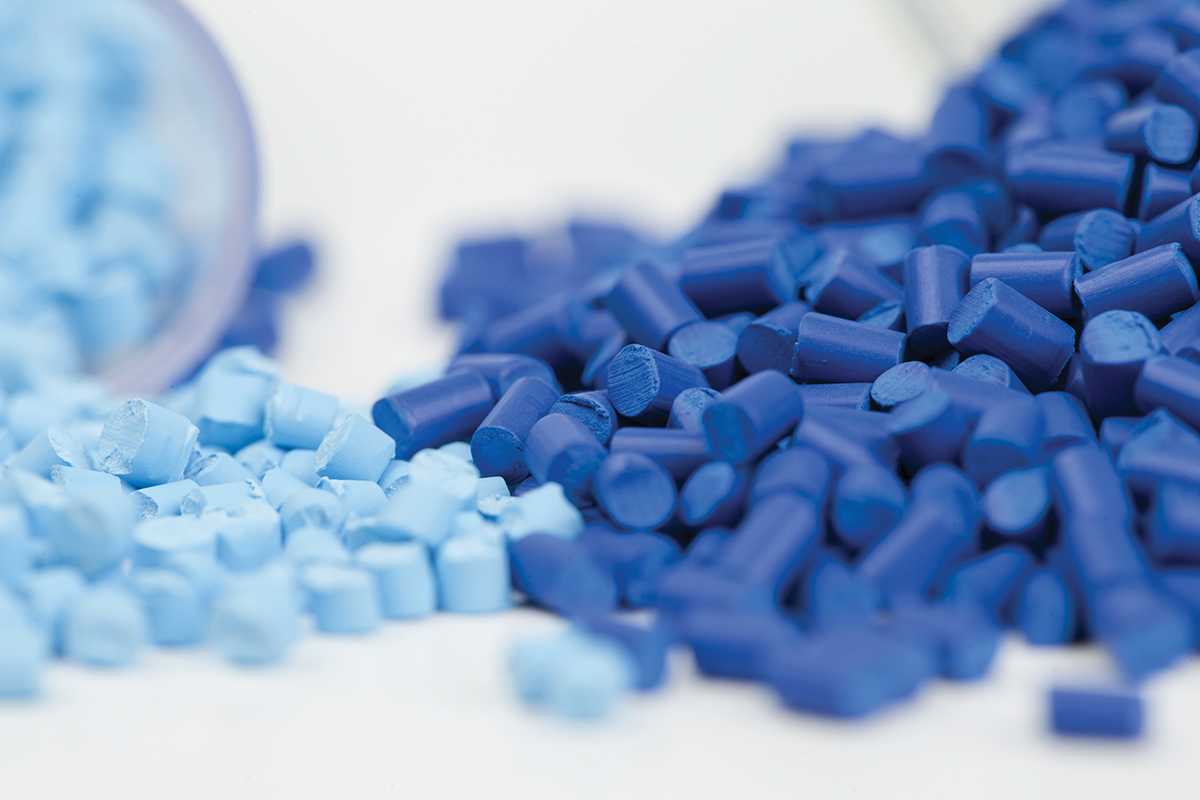
Sulfone Polymers: Versatile Engineering Thermoplastics
Sulfone polymers are a class of thermoplastic polymers known for their outstanding thermal and chemical resistance properties. Originally developed in the 1960s, these polymers have found widespread use in applications requiring high performance at elevated temperatures. With continual research and development, sulfone polymers remain important engineering thermoplastics over 60 years later.
What are Sulfone Polymers?
Sulfone polymers are composed of aromatic rings linked together by sulfone groups (–SO2–). The best known sulfone polymer is polysulfone (PSU), which includes bisphenol S in its chemical structure. Other common sulfone polymers include polyethersulfone (PES), polyphenylsulfone (PPSU) and polyetherimide (PEI).
All sulfone polymers exhibit high glass transition temperatures, often above 170°C. This translates to excellent mechanical properties and dimensional stability at high operating temperatures. Their sulfone groups make them highly resistant to heat, chemicals, moisture and radiation. Compared to other thermoplastics like polypropylene or nylon, sulfone polymers have a unique combination of thermal/chemical resistance and melt processability.
Applications of Sulfone Polymers
Medical Devices and Healthcare
Sulfone polymers are widely used to manufacture durable medical devices that require autoclave heat sterilization or exposure to disinfectants and sterilants. Common applications include tubing, cannulae, membranes and housings for surgical and diagnostic equipment. Their biocompatibility also enables use in implantable or insertable medical devices.
Transportation
Automotive, aerospace and rail industries utilize sulfone polymers for components exposed to extreme heat and harsh chemicals. Applications include engine components, seals, HVAC ducting and wiring insulation. PSU and PES are commonly reinforced with glass fibers for under-hood parts.
Filtration and Separation
Thin film composite membranes fabricated from sulfone polymers enable precise filtration and separation in processes like reverse osmosis, ultrafiltration and microfiltration. Their chemical resistance allows treatment of aggressive fluids in water purification, food/beverage processing and industrial separations.
Electrical and Electronics
Sulfone polymers offer electrical insulation with high dielectric strength at elevated temperatures up to 200°C. This makes them well-suited for electronics packaging, lead frames, wire and connectors. PEI excels as a high heat laminate substrate for circuit boards.
Other Uses
Laboratory equipment, industrial piping, enclosures, semiconductors and membrane technologies also benefit from sulfone polymers’ chemical protection and dimensional stability at high operating temperatures. Their flame retardance enables use in lighting fixtures, wire and cable jacketing as well.
Sulfone Polymer Processing
All sulfone polymers are thermoplastic and can be melt processed through common techniques like injection molding, extrusion and blow molding. Key factors in processing include:
- Melt Temperatures: Typical melt ranges are 240-300°C, requiring suitable heated molds and barrels.
- Moisture Sensitivity: Sulfone resins readily absorb moisture and must be dried prior to processing. Even small amounts of moisture can cause molding defects.
-Fillers and Reinforcements: Glass fibers, mineral fillers and inorganic salts are commonly added to improve chemical/impact resistance and dimensional stability of formulated sulfone polymer grades.
-Machining: Standard machining techniques like drilling, milling, sawing and grinding are viable post-processing options for sulfone parts, though speeds/feeds may need adjustment for wear resistance.
Ongoing Developments with Sulfone Polymers
Continued research remains focused on adapting sulfone polymer chemistries and expanding their applications frontiers. Newer high performance grades offer enhanced:
-Impact strength and toughness through copolymerization and modifications to molecular structure.
-Flame retardance without additives through intrinsic flame retardant content.
-Hydrolysis resistance for humid environment applications.
-Biocompatibility for implantable devices through surface modification.
-Optical properties for lenses, displays and fiber optics through optimization of clarity and refractive index.
-Permeability and gas selectivity for advanced membrane modules.
Collaboration between material suppliers and end users will drive further innovations with these crucial engineering thermoplastics. Sulfone polymers’ unique combination of heat and chemical resistance guarantees their ongoing use across demanding high-temperature applications.


Comments
Post a Comment