Recycled Textile Market: Trends and Opportunities in the Global Green Textile Sector
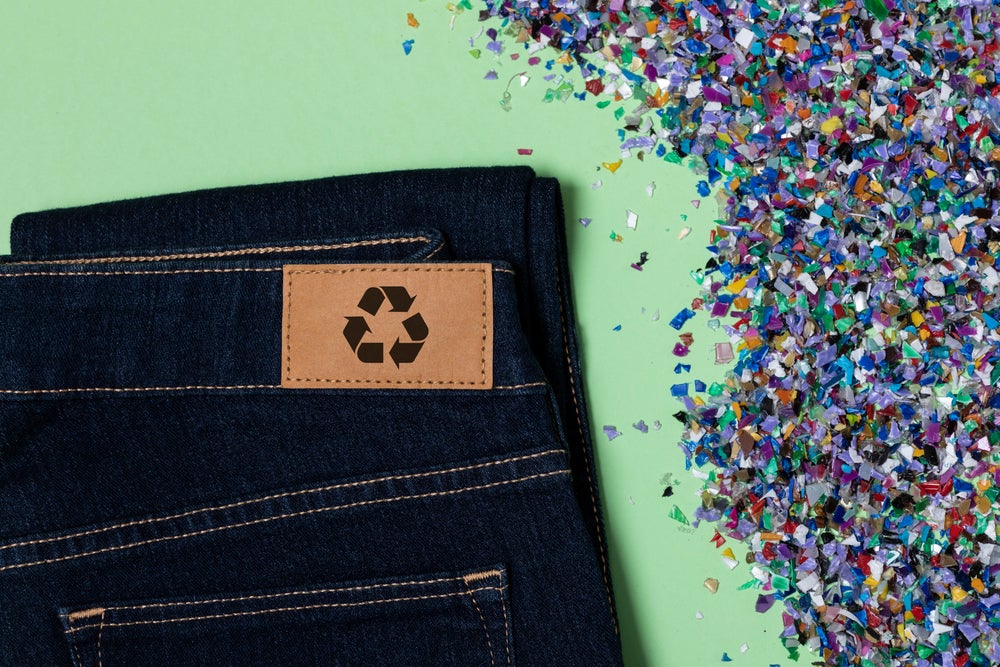
Recycling Textiles: An Emerging Opportunity for Reusing Discarded Fabric
The Growing Issue of Textile Waste
As the global population continues to rise exponentially, so too does our consumption of clothing and other textile products. On average, Americans discard over 80 pounds of textiles per person each year, accounting for over 11 million tons of textile waste sent to landfills annually in the United States alone. With humans consuming far more fast fashion items made from synthetic fabrics like polyester that take hundreds of years to decompose, landfills around the world are filling up rapidly with non-biodegradable textile waste. This unsustainable trends poses major environmental and economic challenges if left unaddressed.
Recycling Programs Struggle to Keep Up
While some municipalities and non-profits have collection programs for used clothing and other fabrics, they have struggled to process and find markets for the massive volumes of discarded textiles. Goodwill and other second-hand retailers can only absorb a small fraction of the donated goods. As a result, it is estimated that only around 15% of textile waste is currently recycled, with the rest ending up in landfills or incinerators. With waste increasing at a rate far outpacing recycling infrastructure development, innovative new solutions are urgently needed to establish viable recycling pathways for the growing stockpiles of post-consumer fabrics.
Mechanical Recycling of Fabrics
One promising approach gaining ground is mechanical recycling, which involves shredding, sorting, and reprocessing textile fibers into new products. Advanced sorting technologies allow recycled fibers to be separated by material type, with cotton and other natural fibers able to be recycled more readily than blended synthetics. The shredded fibers can then be consolidated into fibrous materials like padding, insulation, carpet backing, or even new yarns and fabrics. Leading companies like Evrnu in the U.S. and ReWork in Germany are successfully producing new cotton-blend fabrics from post-consumer and post-industrial cotton waste using mechanical recycling techniques. As the processes become more efficient and volumes increase, recycled textiles could become a major feedstock for many products.
Chemical Recycling of Synthetics
While mechanical recycled textile works well for natural fibers, the mixed and contaminated nature of synthetic fabrics poses challenges. However, emerging chemical recycling technologies may unlock new pathways for processing these hard-to-recycle materials. In chemical recycling, polymers are broken down using heat, solvents, or other chemistry back into their basic molecular building blocks. This allows blended polymers and contaminated materials to be recovered. The resulting products can then be repolymerized to make virgin-quality synthetic fibers and resins. Early commercial plants are now operating in Japan and Europe using chemical recycling methods to recover nylon, polyester, and other plastics from post-industrial and post-consumer waste streams. As chemical recycling technologies continue to advance, used synthetic fabrics may increasingly become a viable feedstock.
Fashion Brands Pilot Textile Collection Programs
Some major apparel companies have launched take-back and collection initiatives to increase recycling rates and redirect textile waste from landfills. Target partnered with nonprofit partners in 2017 on a dropoff program for clothing and other textiles in certain stores. Customers are encouraged bring in old clothes and other items to be sorted for reuse or recycling. Fashion retailers like H&M and Zara also run periodic in-store clothing collection drives where customers can receive store credit for used apparel donations. The collected clothing supplies valuable raw material for shredding operations. Collection programs not only promote sustainable practices but also enhance these brands' reputations as responsible stewards. As textile recycling continues to scale up, expect to see many other clothing companies launching convenient take-back options.
Challenges Remain for Broader Adoption
While recycling technologies and brand collection programs are expanding options, broader adoption of textile recycling still faces economic and operational hurdles to overcome. Establishing centralized sorting hubs requires major capital investment, and achieving economies of scale will take time. Contamination from non-fiber materials like fasteners or linings complicates recovery. Public awareness remains low regarding which materials can or cannot be recycled. And demand has not yet caught up to potential supply in many recycled fiber markets. Overcoming these challenges will require continued innovation and collaboration across the entire textile value chain from fiber producers to brands and consumers. With pressure mounting to curb waste and focus on circular systems, the industry is making progress towards ensuring discarded fabrics have productive next lives through recycling.
The Opportunity is Clear
As the unsustainable trajectory of textile waste becomes increasingly untenable, it is clear that innovative solutions for reusing and recycling discarded fabrics must continue gaining traction. While challenges certainly remain, advancements in collection infrastructure, sorting technologies, and recycling processes now offer viable pathways for bringing old materials back into the textile lifecycle. With global brands stepping up efforts and new recycling facilities coming online, the window of opportunity is open. With coordinated action and further progress scaling these solutions, the future prospects are promising for establishing robust recycling systems that create economic and environmental benefits from what was once deemed waste. By embracing textile recycling, industries and communities worldwide can transition towards more circular and sustainable management of this ubiquitous material stream.


Comments
Post a Comment